 Skip to main content

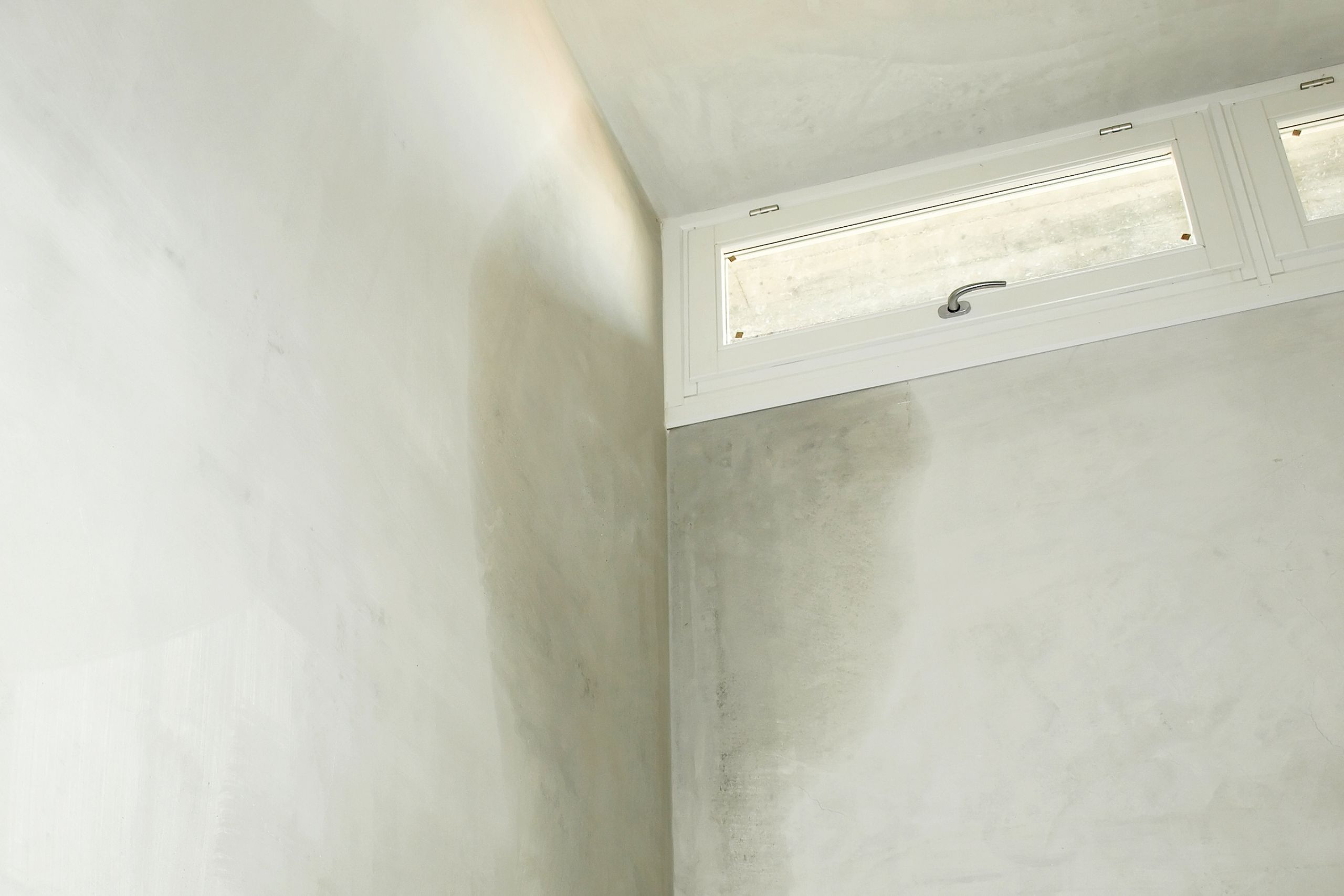
Damp and mould are no longer something teams can treat as a slow-burn maintenance issue. Expectations have shifted, and the operational pressure has shifted with them.
The first phase of Awaab’s Law came into force on 27 October 2025, introducing new legal duties requiring social landlords to investigate and address damp and mould and deal with emergency hazards within strict timeframes. Even if you are not in social housing, the direction of travel is clear: if you cannot show what you saw, what you did and when you did it, you are exposed.
This is exactly where a purpose-built reporting platform earns its keep.
The real problem is not spotting mould, it is proving what happened next
Most damp and mould cases become messy for one reason: the timeline is unclear.
Photos sit on phones. Notes vary by staff member. Follow-ups disappear into email chains. When a complaint escalates later, teams spend hours rebuilding what should have been obvious from day one.
In 2026, agencies need a repeatable way to capture evidence quickly on site and turn it into something defensible, consistent and easy to retrieve.
What “good” looks like now: one capture workflow, one version of the truth
The safest workflow is simple: capture once on site, then store and share it in a format that looks the same every time.
Kaptur positions its platform around guided templates for reporting, offline mobile capture, high-resolution photo evidence, on-site signatures and automatic sync to secure cloud storage. That combination is built for situations where accuracy and speed both matter, especially when you are under pressure to show a clear audit trail.
How Kaptur helps teams move faster and stay defensible
In damp and mould cases, the biggest wins tend to come from a few practical capabilities:
- Structured, photo-first reports: Kaptur’s reporting approach is designed to keep evidence tied to the narrative so it is easier to understand later.
- Faster observations on site: Kaptur provides the tools aimed at reducing on-site admin without losing detail.
- Work continues when signal fails: Offline capability is called out directly on Kaptur’s feature pages, which matters in basements, concrete builds and remote locations.
- Clear sign-off and traceability: On-site and digital signature capture is part of the workflow, which helps reduce ambiguity about who saw what and when.
- Evidence that does not disappear: Kaptur promotes long-term, secure report storage so you can retrieve the full trail when you need it.
The commercial reality: surges happen, standards must not slip
Damp and mould workloads spike, especially seasonally. When volume rises, the risk is that reporting standards fall. The answer is not heroic effort from the team, it is standardisation.
If your reporting is still split across phones, PDFs, shared drives and inboxes, moving damp and mould reporting into one evidence-first workflow is a fast way to reduce risk, reduce admin and increase confidence when cases escalate.